
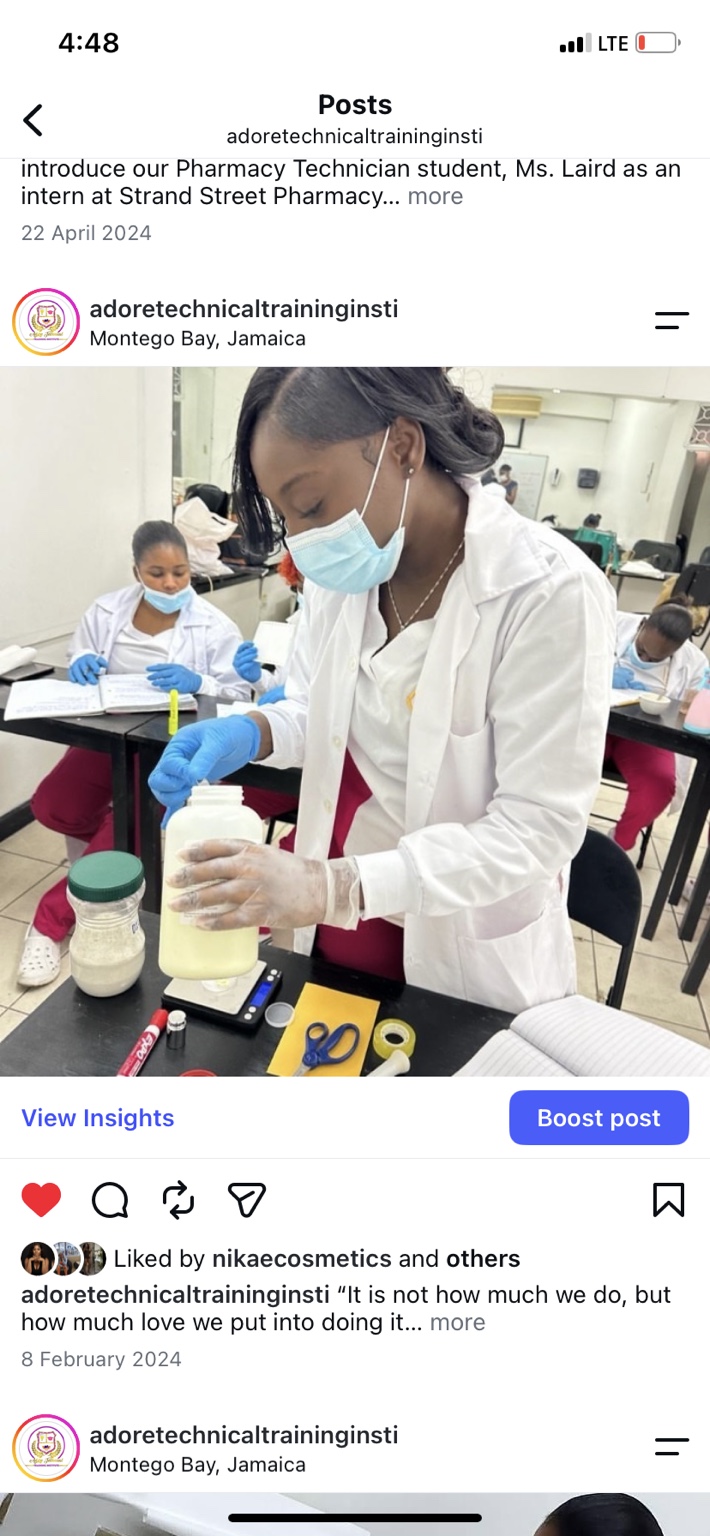
Some healthcare support workers develop practical familiarity through caregiving, assisting in a facility, pharmacy support or repeated workplace duties. That experience matters,but healthcare advancement must remain grounded in patient safety and professional accountability.
List your real responsibilities
Separate the duties you observed from those you personally performed. Record the setting, supervision received and how frequently each responsibility was completed.
Strengthen the technical foundation
Medical terminology, infection prevention, documentation, confidentiality, communication and scope of responsibility should not be assumed. Structured technician theory helps connect everyday tasks to professional reasoning.
Know your limits
Experience should never encourage a learner to diagnose, interpret results or practise beyond the responsibilities allowed by law, workplace policy or professional supervision.
Prepare before entering clinical placement
Clinical placement is not the first lesson. Learners should complete the required theory, assessments and readiness preparation before entering a supervised setting.
Understand what placement provides
A clinical site offers exposure to real workflows, professional communication and supervised responsibilities. It does not make a student an employee, guarantee a job or remove the need to meet facility requirements.
Choose a defined healthcare pathway
Patient Care, Medical Assistant, Phlebotomy Technician and Pharmacy Technician pathways have different expectations. Your existing experience and intended direction should determine the relevant route.