
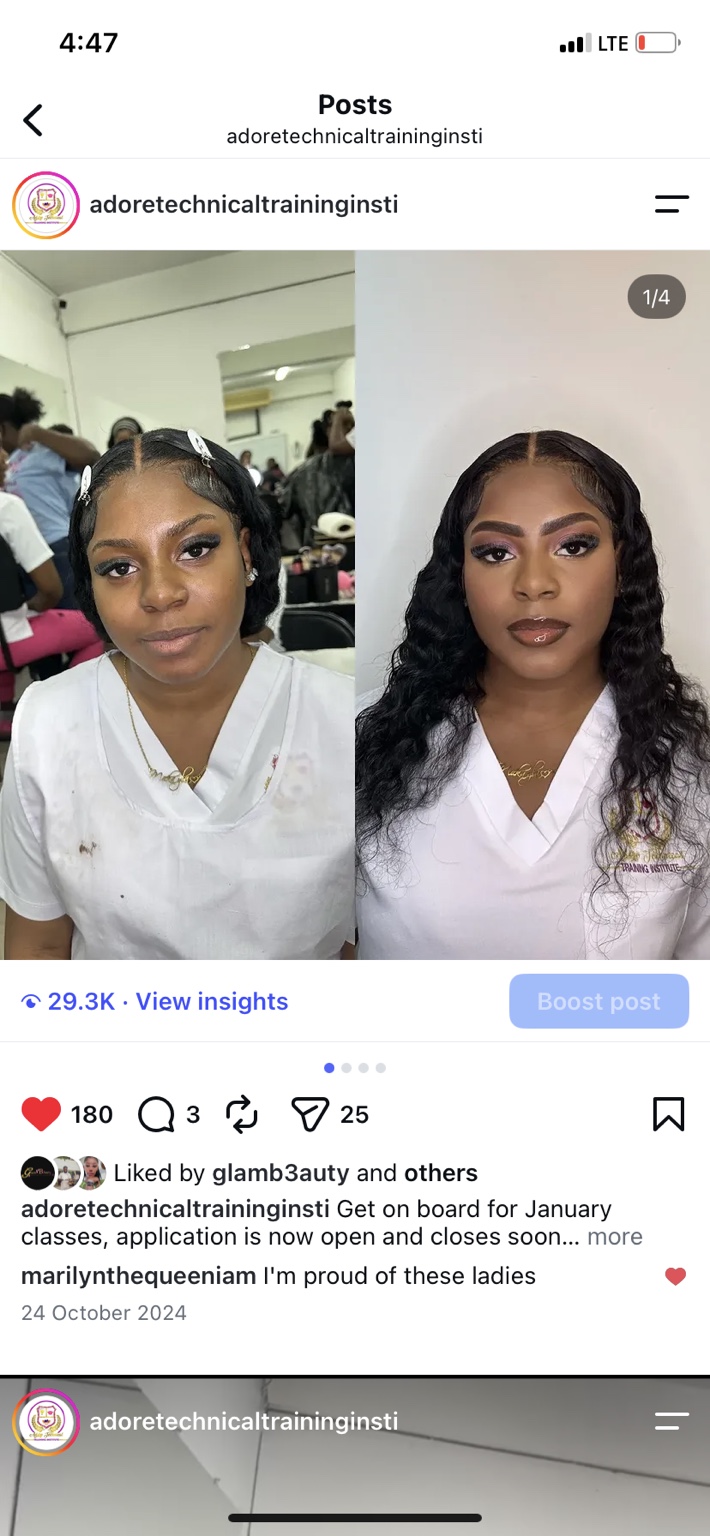
Many beauty professionals begin by practising on family, learning from another practitioner, watching demonstrations and gradually serving paying clients. Years later, the skill is real,but the training history may still feel informal.
Experience should be recognized, not exaggerated
Regular client work, sanitation routines, product use and service results are meaningful evidence. However, experience does not automatically prove that every technical principle, contraindication or professional standard has been mastered.
Identify the knowledge beneath the service
Nail, makeup and wig professionals need more than hand skill. Product knowledge, consultation, hygiene, client safety, service planning and aftercare all influence professional quality.
Choose advancement instead of unnecessary repetition
An experienced practitioner may not need the same route as a complete beginner. After eligibility review, focused technical theory and assessments can address specific gaps while respecting the practical foundation already built.
Add business structure to technical confidence
Professional advancement should also improve pricing awareness, deposits, policies, consultation, presentation and customer experience. These systems help turn talent into a more credible and sustainable beauty venture.
Why an internship still matters
A supervised beauty internship exposes learners to professional expectations, workflow, communication and accountability beyond serving familiar clients independently.
Ask the right question
Do not ask only, “How quickly can I get certified?” Ask, “Which theory, standards and evidence do I still need to support the work I already perform?” That question leads to stronger advancement.